
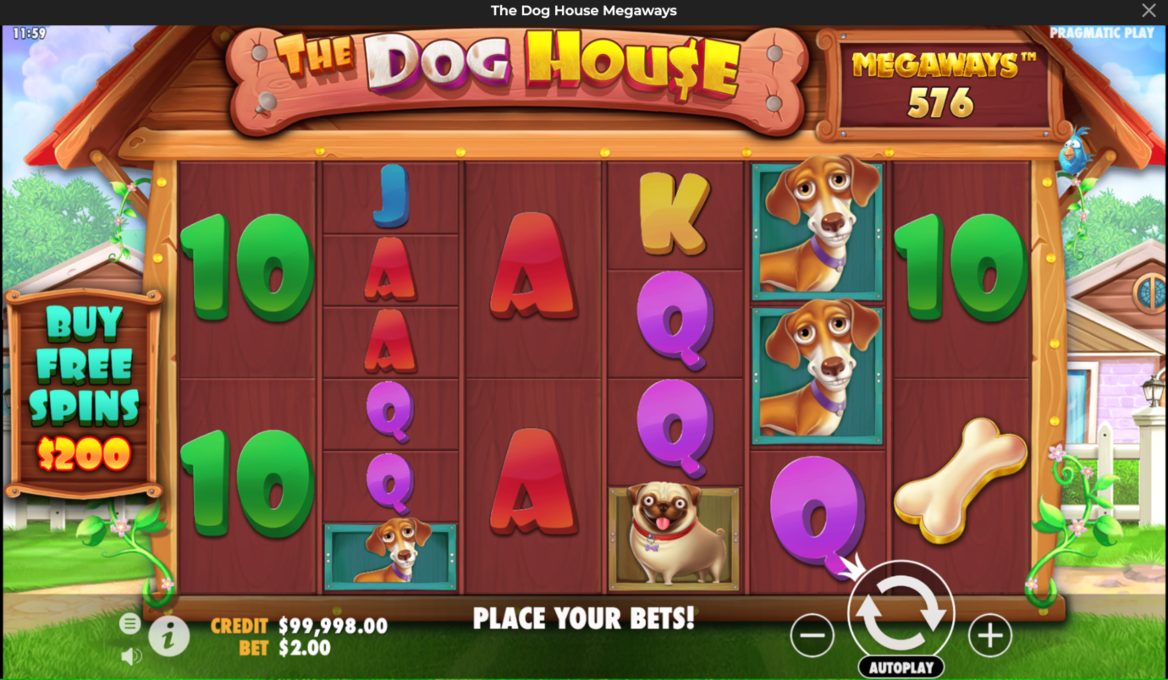
Slot tournaments have transformed casual spinning into a genuine arena, and few games capture that atmosphere better than The Big Dog House Slot. When players enter UK-based competitions showcasing this title, their starting position isn’t handed out by chance. Tournament seeding operates behind the scenes to mold every leaderboard, determining who gets an early climb and who has to fight their way up from the back. For anyone committed to cashing in on these events, understanding how seeding functions inside The Big Dog House Slot isn’t optional, it’s the bedrock of a winning approach. The process assembles a player’s past performance, buy-in level, and sometimes even how fast they wrapped up their qualifying spins to create a grid that seems balanced but still presents real challenges. Understanding these mechanics reveals why a high roller doesn’t always secure the top spot and why a newcomer can suddenly bolt ahead with the right groundwork. From the volatility baked into those canine-themed reels to the bonus buy options that shift spin counts, every detail plays into the seeding algorithm UK competition operators quietly run in the background.
The reason Seeding Matters Greater Than the Initial Balance
Plenty of players fixate on their opening coin balance, convinced a bigger stack ensures a higher seed. In The Big Dog House Slot competitions, that idea dissolves the moment free spins, sticky wilds, and multiplier mechanics come into play. Tournament seeding positions participants based on projected scoring potential, not just the cash sitting in their virtual account. A player who regularly hits the bonus round, where Sticky Wilds lock and multiply across a generous grid, can earn a positive seed even with a modest buy-in because the system recognizes their knack for getting the most out of the game’s features. This predictive layer is what differentiates beginner tournaments from the top-tier UK competitions where leaderboards shift minute by minute. It also explains why two players with identical starting amounts can end up seeded ten places apart. The seed aims to forecast how well someone handles volatility. A hyper-aggressive player might get pushed down the order to see if they can stomach high-dispersion outcomes, while a steady grinder gets a safer mid-table slot. Once you identify this pattern, you stop chasing a bigger balance and start studying how your playstyle gets read by the seeding software.
Methods That Boost Your Seeding for UK Slot Competitions
Building a strong seed rank in The Big Dog House Slot tournament circuit doesn’t demand trickery, just a strategic plan to your pre-competition play. The following approaches have been noted across various UK scoreboard series and can help raise your initial rank organically:
- Finish at least 3 full bonus features in a single session before signing up to demonstrate feature-triggering consistency.
- Vary your bet size with purpose instead of keeping to one unchanging level, which shows adaptive fund management to the tracking software.
- Steer clear of repeated bonus buys in quick succession if they cause losses; the program registers this as panic response and might hurt your seed position.
- Play sessions during high-traffic times when the platform’s system is actively calibrating seed lists, increasing the chances that your latest stats is recently sampled.
- Maintain a favorable win/loss ratio on the base game spins alone, not exclusively the bonus games, as certain sites treat these metrics separately.
Each of these actions gives a clear indication that you’re a methodical competitor, not a reckless gambler. The Big Dog House Slot, with its fine divide between base game limbo and the profitable bonus area, enables for scoring systems to isolate where your skill actually sits. A player who excels in prolonging small base wins into prolonged sessions demonstrates fund conservation, a quality that top seeds value highly. Add to that well-timed bonus buys that leverage the slot’s huge multiplier potential, and you build a seeding profile that event algorithms find cannot easily disregard. It’s not reliant on chance. It’s about curating a data path that indicates you belong among the frontrunners even before the competition begins.
How The Big Dog House Calculates Initial Ranking
The Big Dog House Slot is not merely a charming look featuring cartoon canines. Beneath the cheerful appearance lies a statistical core that tournament platforms can query. When a UK contest organizes a time‑limited tournament, the software often pulls recent gameplay metrics like average bet size, bonus frequency, and win‑to‑stake ratio across the last 100 rounds. These figures assemble a covert record the seeding algorithm uses to determine a starting position. If a participant has regularly purchased the bonus round at 100 times the wager and ended with a profit, their seed score skyrockets because the system perceives high‑stakes, high‑payout behavior that can control a scoreboard. On the other hand, someone who sticks to minimum stakes with zero bonus buys may receive a lower rank, encouraging them to expand their approach. Hence, two accounts on the identical slot can appear to receive different handling. The calculation also factors in session length. Endurance gamers who sustain their balance for hours without losing composure receive a consistency bonus that boosts their rank, rewarding endurance just as much as raw aggression.
One detail many players ignore is the slot’s volatility marker. The Big Dog House Slot has high risk, and UK event organizers frequently adjust seeding to keep players from early elimination because of a dry spell. If the algorithm notices a player often pursues the Free Spins feature and fails, it could put them a bit higher to provide a buffer against a dry start. That doesn’t guarantee a win, but it keeps the scoreboard from being wholly skewed after the first ten minutes. The ranking system merges a fairness protocol with an entertainment factor, guaranteeing that onlookers and contestants experience a fluctuating, vibrant game as opposed to a predetermined result known before play starts. Competitors who learn to decode this blend can deliberately shape a gameplay history that tells the algorithm exactly what they want it to see before registration closes
Adjusting Strategy Once Placed Near the Top
A high seed in a UK tournament featuring The Big Dog House Slot can appear like both a blessing and a target. When you start near the summit, the natural instinct is to protect what you have, but that often backfires because the game’s volatility will inevitably produce massive score jumps from below. The most successful frontrunners treat the early phase as a controlled experiment. They use a slightly reduced bet size while scouting the tempo, keeping an eye on the live leaderboard refresh rate. Since The Big Dog House Slot rewards patience with its Sticky Wild collection mechanic, a high seed can afford to wait for the right multiplier alignment rather than forcing bonus rounds. The initial cushion gives them breathing room to let others make mistakes. In slot tournaments, mistakes usually mean draining a bankroll too fast on fruitless bonus buys.
Just as important is deciding when to deploy the slot’s gamble feature, if the competition settings permit it. Some UK tournaments disable gamble options entirely to standardise seeding fairness, but those that leave it active present a fork in the road. A top seed using gamble to double a modest win into a sizeable score can stretch their lead, but a mistimed loss can unravel the seeding advantage in seconds. The pragmatic approach is to set a strict gamble percentage limit in advance. By treating the seeded position as a resource to be spent, not hoarded, competitors find the balance between defence and aggression that keeps them in the top bracket through the middle stretch of the event. This adaptive mindset turns a favourable seed into a long-term platform rather than a fleeting gift.
Deciphering Between the Lines of Tournament Seeding Tiers
Most UK competitions featuring The Big Dog House Slot use invisible tier bands inside the seeding ladder thebigdoghouses.com. These bands are not always spelled out, but veteran players spot the patterns. The top tier generally goes to qualifiers who finished in the top five percent of previous events or those who passed designated satellite rounds. The middle tier is a fluid mix of steady performers and wild cards who might have landed one massive bonus buy win. The lower tier, often the most dangerous, holds dark horses whose risk metrics are overly unpredictable to call. Recognizing which band you fall into changes how you handle the first fifty spins. A top seed could adopt a defensive posture, protecting their leaderboard spot instead of chasing more multipliers, while a bottom seed must flip the script straight away by risking everything on the Bone Bonus or Sticky Wild free spin rounds.
Interpreting these tiers means giving close attention to pre-tournament communications. Some organisers publish a seed list, commonly disguised as “suggested starting ranks.” Others drop hints about how much weight is given to loyalty points or deposit history. The Big Dog House Slot community on social platforms routinely shares anecdotal data, putting together the algorithm’s quirks. One common finding is that using the slot’s autoplay function during a previous qualifying round can lower trust signals, because the system favors active manual input that matches a human decision loop. A player who manually stops the reels to simulate engagement might pick up a slight edge in seeding over someone who let the slot run unattended. These small edges stack up, transforming an ordinary ranking into a seeded position with a real shot at the prize pool.
The Connection Between Seed Placement and Bonus Round Timing
At The Big Dog House Slot,
Frequent Mistakes That Wreck Seeding Potential
Even seasoned players occasionally harm their own seeding in The Big Dog House Slot competitions by walking into predictable traps. The most common error is altering playstyle drastically just before registration. The algorithm that reviews recent data cannot read intent; it only reads actions. If a high-roller suddenly drops to minimum stakes to preserve funds, the seeding system detects a loss of confidence and demotes them accordingly. Pursuing a massive progressive jackpot on another slot right before a tournament can drain not only the bankroll but also the activity metrics The Big Dog House Slot platform depends on to build a seeding profile. The fragmented data muddles the algorithm, resulting in a default middle-tier placement that does not reflect actual ability.
Another error is ignoring the specific tournament rules around rebuys and add-ons. Some UK competitions offer a limited number of rebuys with a seed penalty applied, while others freeze your seeding after the first entry. Players who expect unlimited rebuys without a seed downgrade often find themselves trapped in the lower ranks after a single re-entry, questioning why their starting position plummeted. Checking the fine print and simulating the seeding impact in a low-stakes trial event is a discipline that differentiates professional competitors from hobbyists. The Big Dog House Slot community forums are packed with cautionary tales of talented players who lost podium spots because they didn’t respect how rebuy mechanics interacted with seeding weight, a lesson that’s easily avoided with a few minutes of preparation.
Finally, forgetting to account for network latency and spin confirmation times during live tournaments can affect the seeding calculation. The algorithm records when a spin result is registered on the server, and if a player’s connection introduces delays, it can appear as though they are pausing between spins, artificially increasing the “time per decision” metric. This can cause the system to treat the player as overly cautious, knocking their seed down a few notches. A reliable connection and a device that processes The Big Dog House Slot’s graphics without lag aren’t just quality-of-life improvements; they are quiet contributors to a seeding score that could be the difference between a comfortable top-ten start and a frantic scramble.